
Power of Emotions
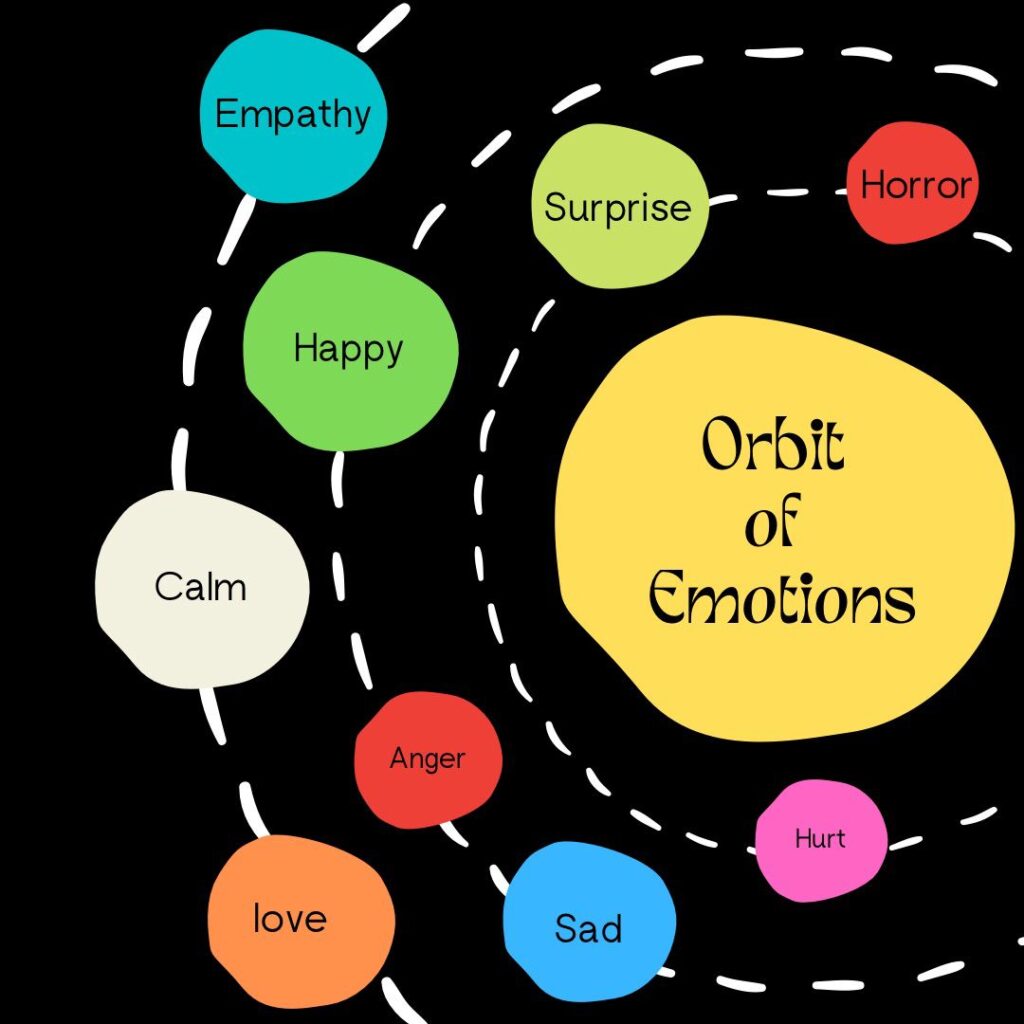
The most powerful tool of a storyteller is emotion. Emotions are energies in motion and when that energy is passed from the speaker to the audience then it becomes a transcendental experience for both the speaker & the audience. As per ancient Indian wisdom Natya Shastra written by Bharat Muni there are 9 emotions – Navras. Each one of us experiences these emotions of love, joy, empathy, horror, anger, disgust, surprise, courage & calmness. Whenever we interact, we express these emotions and that’s how an emotional connect is formed between a speaker & listener. A Storyteller practices all these 9 emotions to master the art of storytelling. Emotions are not good or bad, these are the bundle of energies which define the life state of a person for example – when one is in love then that person is in a unique state of joy and happiness. As a storyteller/ presenter we need to understand which emotion does my content or my story echoes and accordingly emote to create a realm of that emotion for the audience to form a connection. Also, at the workplace we need to integrate facts with warmth of emotions to build deeper understanding & relationships. Ask yourself about the memories from your previous job, vacation or any relationship and try to observe the common factor. Why do some memories get stamped in your heart forever? When you closely observe you will find that these are those moments or incidents from your life where you would have experienced heightened sense of emotions. In essence we build memories when emotions are involved. Our brain is divided into two halves: the left brain which processes all the data, information & logic and the right brain which is powered by emotions and creativity. Sharing facts & information through a well-crafted & a strategic story woven around with emotions is much more effective. If the speaker communicates to both sides of the brain that in turn helps the audience to absorb the information easily which further also helps in decision making. On the other hand, if we communicate only with facts & information then we fail to link the right side of the brain and the listener doesn’t feel it, without emotions our information becomes quite transactional & forgettable. So, the key is to present information in a manner that sticks with the audience, as the event or information which has emotions attached to it becomes memorable. Emotions drive us & influence every decision we make. The famous Greek philosopher Aristotle who made important contributions to logic, rhetoric, phycology gave us three tools for persuasion – Ethos, Pathos & Logos. It revolves around persuading listeners with a mix of both logic & emotions. Aristotle believed that facts alone don’t drive people to action, but when facts are presented with warmth of emotions then it makes the real difference. A presenter can leverage the power of Pathos by telling a purpose driven story using vivid language and demonstrate it with an impactful body language. All these elements help to build an emotional appeal and when integrated with logic it creates a solid foundation for an excellent presentation. In the corporate world it’s necessary that we present information & facts wrapped in a strategic storytelling which resonates with the information we want to share. That is how stories become the vehicle to transfer information which builds an emotional connection and makes the content memorable. As a storyteller I firmly believe “You simply don’t narrate stories, you create an emotional experience”. Something incredible happens when we connect emotions with information, our brain processes the information and makes a note of it like a mental post-it which lasts forever.
Power of Words
How to create an experience for your listener during storytelling to take your audience on journey of imagination and most importantly to form an emotional connect with them: Use vivid language –Vivid language consists of the descriptive adjectives that bring your experience to life for your audience & it makes your ideas unforgettable.Example: Imagination of a child, faded ambitions Use sensory wordsSensory words help to connect to the five senses (sight, sound, smell, taste, touch) to create an image or description.Example: Thumping defeat, market came crashing down. Use Metaphors –Metaphors helps in comparison of two things, describing it more accurately.Example: He is a shining star of this quarter, as bright as sunWriters use metaphors to make writing more interesting. A metaphor expresses meaning that literal words cannot. Metaphors also make writing more concise. Storytellers use metaphors when they want to express a comparison but do not want to directly state that comparison. Metaphors allow for interpretation and layer meaning intext. Metaphors add layered meaning and interest to writing which reflects in script and in story narration. Choose a metaphor when you want to add greater significance to the text. Figurative language adds details and appeals to our senses. Use Oxymoron –An oxymoron is a combination of contradictory or incongruous words (such as cruel kindness). Oxymoron allows us to be creative in our descriptions. At times it also adds humor to our storytelling or our content. An oxymoron is a figure of speech that puts together opposite elements. The combination of these contradicting elements serves to reveal a paradox, confusion, or adds to humor elementExample: Organized mess, Jumbo shrimp, adult child, gorgeous monster, deafening silence, seriously funnyHow to make stories stand out, memorable & engaging?By infusing powerful words – add metaphors, use sensory words & use vivid language.Words have power, choose your words wisely! Published by – Monika Tandon
Three Act Structure for Business Presentations

Importance of 3 Act structure in business presentations The 3-act structure is not only limited to plays, movies or stories. It can be leveraged strategically in the business presentations as well.Three act structure helps to provide a clear flow in your presentation and at the same time establishes connection within the key messages of your presentation. Act 1 – IntroductionAct 2 – ConflictAct 3 – Resolution You can explain your point with the help of:Example – give a concise exampleStory – Back it up with a story in context or a case studyLesson – give a punchy lesson towards the endAct structure helps to build up a flow, clarity and seamless connection within the key messages in your presentation. The structural framework of our presentation at workplace: Each presentation tells a story and every slide reveals a part of the act structure, like a well told story has a beginning middle, and end so move the message forward slide by slide by focusing on the continuity with each passing slide. The core structure of your presentation is similar to act structure of a story as below – ACT 1 where you bring an outline – a simple agenda at the beginning ACT 2 where you focus on the actual agenda and discuss all the critical points – middle of the presentation ACT 3 where you focus on bringing the solution or summarize at the end. The act structure enables the audience to clearly understand the logic and flow of the presentation and helps the listeners to remember the key points by the speaker. And for the speaker it makes the content easy to organize and deliver it in an easy-to-understand manner. And when you back it up with a real-world story, then it helps you to engage the audience as human mind is hard wired for stories! Surprise your audience with a novel and emotionally engaging story. Build a learning experience by telling them something they didn’t know about before. Published by Monika Tandon
